Numbers and groups
Compare each table area with the outcomes it covers.
 5555bet
This introduction connects the single zero wheel with its table layout. Evolution's European Roulette provides a named example of the format.
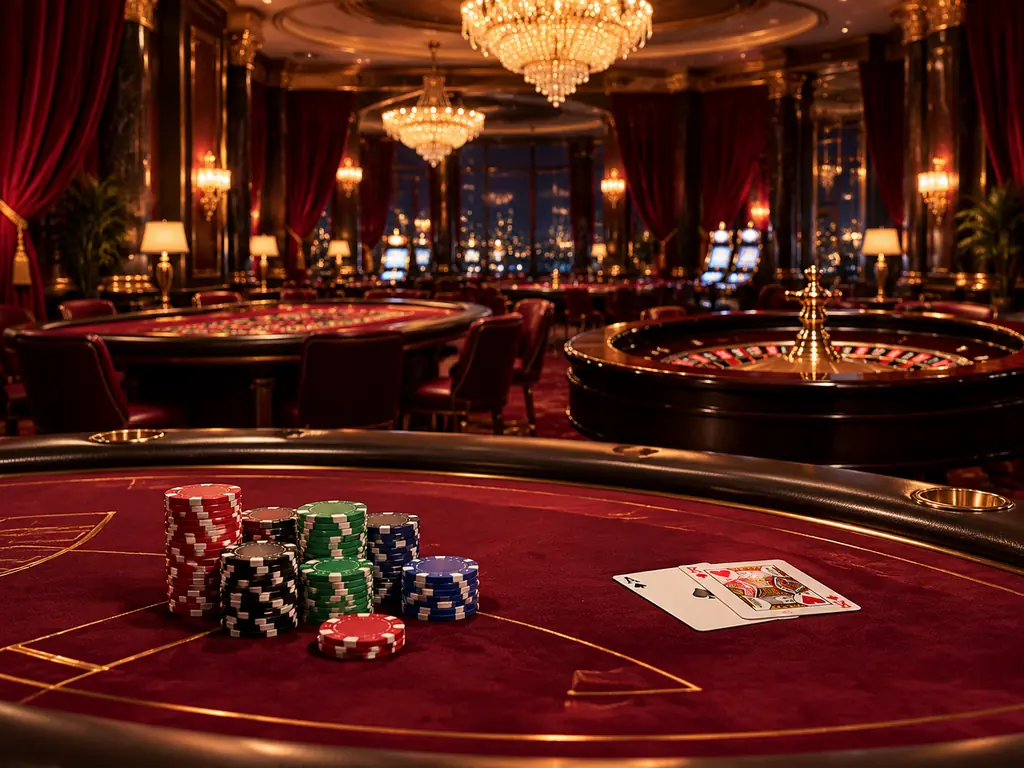
The European wheel contains 1 to 36 and a single zero. Wheel order differs from the table's numbered rows. Neighbouring pockets and adjacent table squares therefore describe different relationships.
A single number and a group of numbers cover different scopes. Colour and parity groups also have defined conditions. Zero must not be treated as part of the red or black groups.
American Roulette adds a double zero. French Roulette also has a single zero, but La Partage conditions may apply. A similar wheel does not establish identical rules.
These distinctions answer different parts of the subject; read them alongside the detailed conditions.
Compare each table area with the outcomes it covers.
Zero is a separate outcome that matters when considering colour groups.
Previous numbers do not determine the next spin.
A live camera shows the wheel, but understanding also requires table conditions. A feature from one edition may not apply to another.
After a disconnect, inspect the earlier action's record before repeating it. Publishing a result and accepting an individual instruction are separate events.
Check for single or double zero.
Check whether the area covers one number or a group.
Read zero and special rule explanations.
Do not assume an action outcome without confirmation.
Numbers 1–36 plus zero make 37 pockets.
Double zero adds another possible outcome.
No, a sequence does not make the next colour certain.
No; timing, zeros and special conditions distinguish editions.